
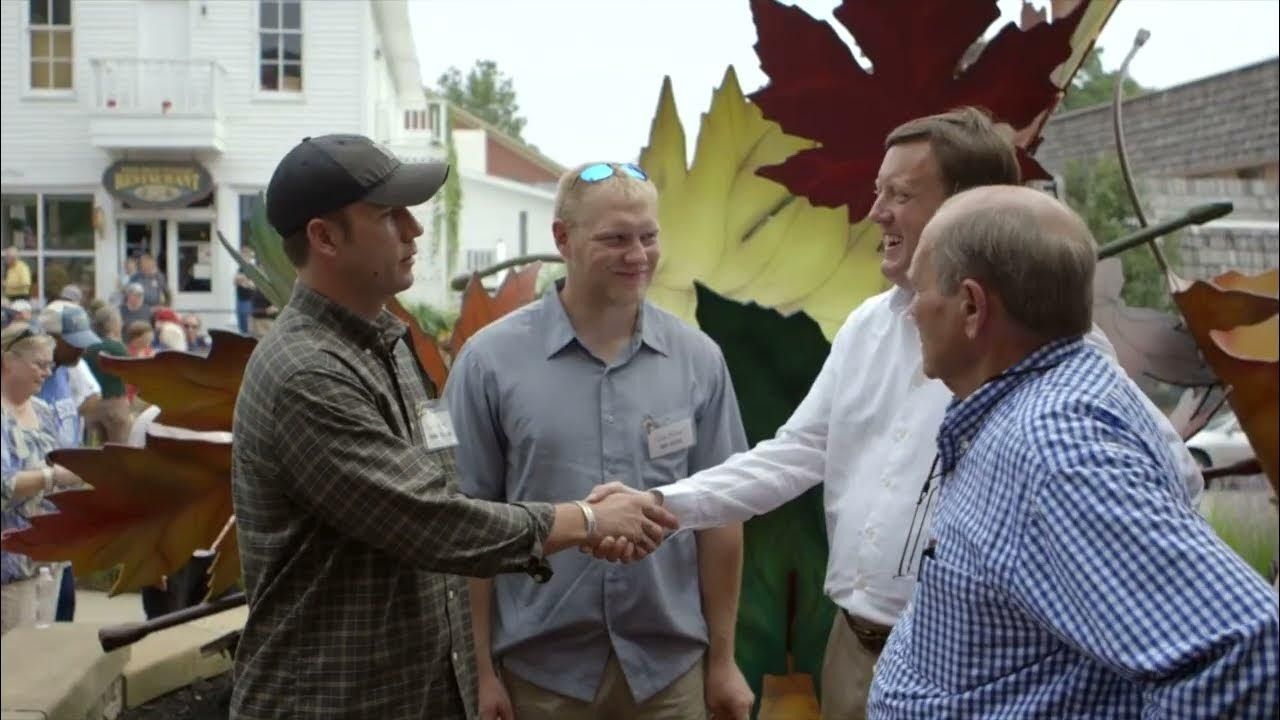
How trust shapes real-world support for service members
They want programs that can be verified, staffed by capable professionals, and designed to deliver outcomes that matter to former service members and their families. Trust is built when veteran charities an organization shows consistency in how it serves people, protects privacy, and follows through from intake to follow-up. A quality-first approach reduces uncertainty for donors and volunteers who want their time and money to produce measurable benefits.
Trust also shows up in the way an organization handles sensitive situations, including mental health and crisis response. Support systems must be prepared for risk, including proper screening, referral pathways, and clear escalation protocols. Quality veteran support organizations train staff and volunteers to communicate with empathy while staying grounded in best practices. That foundation helps ensure that individuals seeking help feel respected, heard, and safe throughout the process.
What quality looks like in veteran-focused programs
Quality programs start with careful planning and a clear pathway for participants. Many veterans need help that fits their circumstances, such as counseling navigation, peer support, family resources, and connection to local services. Strong organizations coordinate these services so people volunteer opportunities with veterans do not have to retell their story repeatedly to multiple agencies. The best efforts also track progress, using feedback loops that improve the program rather than treating each participant as a one-time case.
A trust-and-quality standard becomes especially important for suicide prevention and healing-focused work. Effective programs emphasize continuity of care, creating a steady support experience that does not fade after a first conversation. They also use responsible partnerships with licensed clinicians and community providers to deliver credible, evidence-informed support. When volunteers understand these standards, they can contribute in ways that complement professional care rather than unintentionally creating confusion or gaps.
Volunteer opportunities that respect veterans and volunteers alike
The most reliable groups provide training that covers communication boundaries, safety awareness, and how to respond when someone needs immediate help. This preparation protects veterans and helps volunteers contribute confidently. It also makes the experience more rewarding, because volunteers can see how their role supports a larger care plan.
Practical volunteer roles often include mentoring connections, resource navigation support, event coordination, wellness check-ins, and program logistics. The key is matching each volunteer’s skills with needs, then giving clear guidance for what success looks like in that specific position. Quality organizations also create feedback channels so volunteers can ask questions, report concerns, and improve the process. When an organization values reliability and accountability, it becomes easier for volunteers to stay engaged and for veterans to build consistent relationships.
Conclusion
Programs that prioritize quality build systems that protect privacy, prepare volunteers properly, and connect veterans to the help they need—especially when mental health and suicide prevention are part of the conversation. mission22.org is built around healing, hope, and community understanding, connecting people with programs that support veterans and their families through care that feels steady and respectful. With a trust-first approach, donors and volunteers can contribute meaningfully, knowing their efforts align with real service standards. To evaluate any organization, look for evidence of responsible processes, clear volunteer training, and a plan for continuity of support. Ask how they measure outcomes, how they handle sensitive cases, and how they coordinate with professional resources. When those elements are present, it becomes easier to place confidence in the work and invest in long-term impact. That is the kind of quality that helps veterans feel seen, supported, and empowered through every step of the journey.