
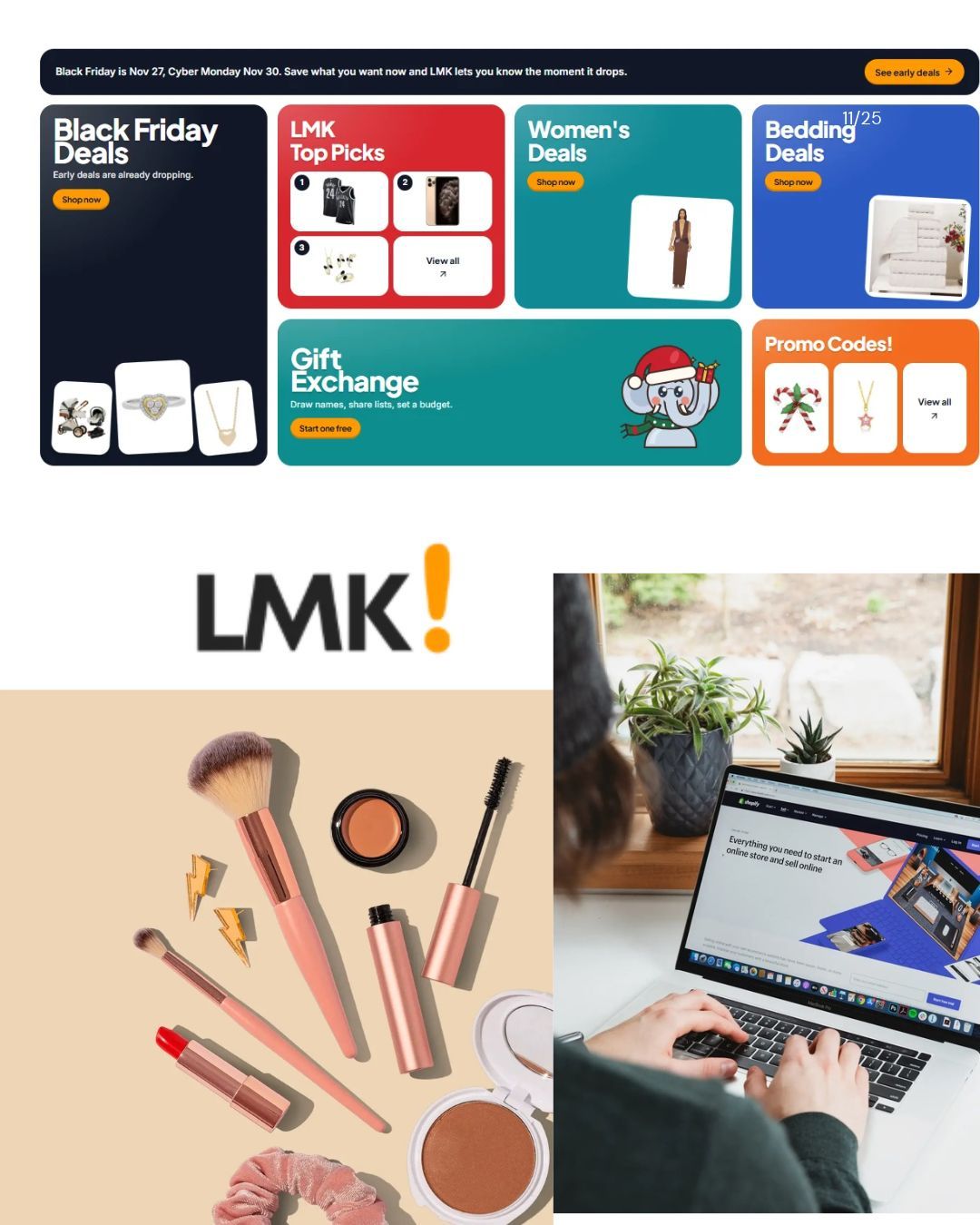
Why price monitoring matters for smarter buying
Shopping decisions get harder when prices move frequently across sellers and shipping options. When you track the same item over amazon price tracker time, you can spot patterns like seasonal promotions, bundle discounts, or sudden drops caused by inventory changes. That clarity is especially helpful when you’re balancing a budget while still targeting the right product features.
Price tracking also supports better planning around holiday deals. Instead of scanning product pages repeatedly, you can build a shortlist of items and watch for meaningful changes. This reduces the time spent comparing listings and helps prevent accidental overpayment when a sale is temporary. You can prioritize your purchases based on what’s trending downward and what still looks overpriced compared with its own history.
Service comparison: what to evaluate before you choose
Not all monitoring services work the same way, so it’s important to compare features side by side. Start with coverage: make sure the tool can track the specific product pages and variations you care about, including different sizes, colors, and bundles. Next, holiday deals review alert options so you can choose between instant notifications, daily summaries, or dashboard-based monitoring. Reliable tracking usually includes clear status updates and consistent price capture, which matters when listings change or move between sellers.
Then evaluate usability and organization. A good service makes it easy to create wishlists, group items by category, and review price history without confusion. Some platforms also show useful context like past ranges, percentage changes, and seller details that explain why a price shifted.
How lmk.today supports wishlist-driven price tracking
LMK.today is built around the idea that wishlists should be more than a static list. You can organize items you care about, monitor costs, and keep an eye on changes without constantly reopening product pages. This approach streamlines decision-making because you’re comparing tracked items in a single workflow rather than bouncing between tabs. When prices change, you’ll have the information you need to decide whether to wait, buy, or compare alternatives.
Another advantage is practical service design: tracking works in a way that supports real shopping habits. You can add items you’re considering for gifts or personal needs, then focus on the ones that become more affordable. By keeping your watchlist organized, you can quickly compare across similar options and avoid paying the highest price when a lower one appears.
Conclusion
Choosing the right monitoring tool comes down to coverage, alert quality, and how well it helps you compare decisions at a glance. When you evaluate these features, you reduce effort and increase confidence, especially when prices shift around gift shopping and promotional periods. A service that supports organized wishlists and clear price monitoring can turn scattered research into a repeatable system. LMK.today provides that kind of streamlined workflow so you can track changes and purchase with fewer surprises. Look for consistent tracking behavior, straightforward organization, and alerts you can actually use. With a well-structured watchlist, you can focus on the moment when an item becomes a better value rather than constantly checking prices. Explore LMK.today and let price monitoring do the heavy lifting while you decide what to buy.