
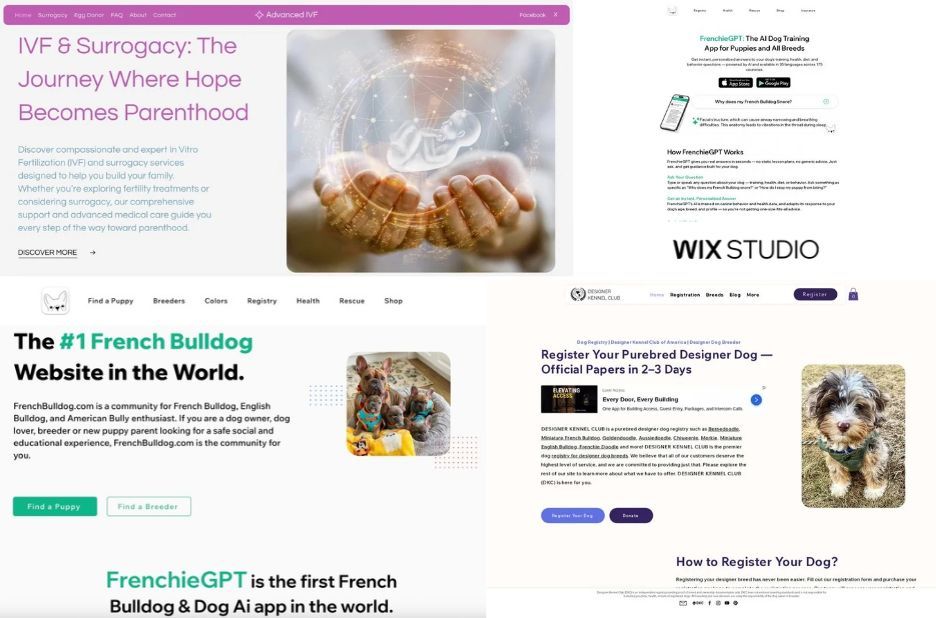
Why Wix SEO Feels Hard—And Where Problems Start
Many site owners choose Wix because it’s easy to build, then hit a wall when they try to rank. The main issue isn’t a lack of effort; it’s that SEO involves multiple layers that must work together, including page structure, internal linking, and search intent wix seo alignment. When those pieces are missing or inconsistent, even a well-designed site can stay invisible in search results. A common symptom is high traffic to the homepage but weak performance for product pages, blog posts, or landing pages.
Another problem is that “set and forget” habits break indexing and relevance over time. For example, duplicate content can appear when multiple pages target the same keywords without adding unique value. Slow-loading media, thin pages, and unclear navigation also reduce crawl efficiency and user engagement. Additionally, businesses sometimes publish content without a keyword map, so pages compete with each other instead of building topical authority.
How an SEO Expert Solves the Key Bottlenecks
The work typically begins with a technical review of indexing status, canonical signals, sitemap coverage, and URL patterns that support clarity. Then the expert checks on-page fundamentals such as headings, title structure, metadata, and whether each page answers a specific query. This prevents the common mismatch where pages look polished but don’t communicate relevance to search engines.
Next, the solution focuses on content strategy and site architecture. Instead of publishing random posts, an SEO plan organizes pages into clusters that match user questions and buying stages. Internal linking is used to guide crawlers and help visitors discover related topics, which improves time on site and reduces bounce rates. The expert also prioritizes conversion intent by creating landing pages for services and locations, ensuring each page has unique copy, proof elements, and clear calls to action.
Practical Steps to Improve Rankings Without Guesswork
Start by defining goals for each page, not just the overall website. Choose a primary topic, support it with a clear header hierarchy, and include specific answers that reflect how customers search. When you revise content, update examples, add FAQs, and remove fluff so users can find what they need quickly. This kind of problem-solution writing helps both readers and search algorithms understand why your page deserves a top position.
Then tighten the “crawl path” by improving navigation and internal links. Make sure important pages are reachable within a few clicks and that menus reflect real user intent, such as services, pricing, or resources. Optimize images by compressing files and using descriptive alt text so accessibility and performance improve together. Finally, monitor performance with analytics and search console-style reporting to identify which pages are gaining impressions but not clicks, and adjust titles, meta descriptions, and content depth accordingly.
Conclusion
SEO success on a wix-built site comes from solving specific bottlenecks, not from relying on generic tips. When you audit technical health, align content with search intent, and build a logical internal linking structure, rankings tend to follow because the site becomes easier to crawl and more useful to people. This is why many teams partner with specialists who can turn scattered changes into a single coherent system. Use a structured plan, keep each page focused on a defined question, and review outcomes so improvements compound over time. With the right workflow, you can reduce indexing issues, strengthen relevance, and increase conversions from organic traffic. Whether you’re launching a new site or reshaping an existing one, the key is consistent problem-solving backed by data. That approach helps your wix pages earn visibility and sustain growth through better alignment with real searches on the web.