
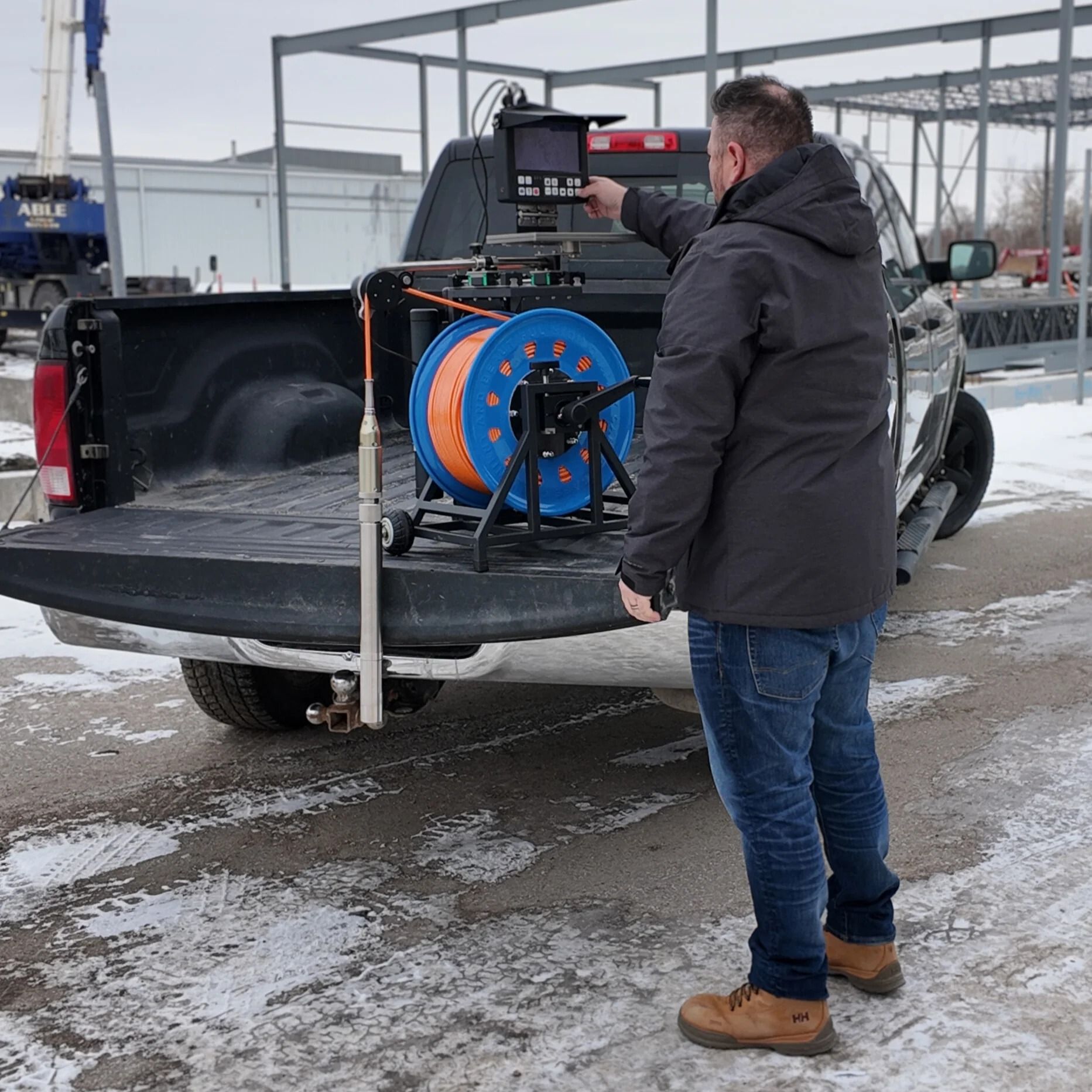
Why a drain camera speeds up problem identification
Instead of relying only on hearsay, partial access points, or repeated probing, you can inspect the inside of the pipe and confirm what’s actually drain camera happening. This clarity reduces turnaround time because the source of the problem is easier to detect and document. When you can see corrosion, cracks, roots, or standing water, decisions become more precise and defensible.
With a clear visual record, you can also troubleshoot more efficiently across different property types. Residential drains often involve grease buildup, small offsets, or hair-related clogs, while commercial lines may include heavier debris and scale. A camera inspection can show whether a blockage is localized or spread across multiple sections of piping. That distinction affects how far equipment needs to be brought in, how long the job will take, and whether maintenance or repair is the best path forward.
What you can see inside pipes (and why it matters)
Modern inspection systems are designed to capture detailed footage of pipe conditions, including the shape and size of obstructions. You can evaluate the extent of buildup, identify broken joints, and distinguish between temporary blockages and structural failures. sewer camera rental When roots intrude, the camera view helps determine how far they’ve grown and whether they’re causing full or partial blockage. This level of information supports smarter recommendations and helps avoid unnecessary dismantling.
Camera inspections also improve communication with customers and facility managers. Many people understand the situation better when they can see the issue rather than hear a vague description. Clear images can support estimates, explain repair scope, and justify whether cleaning is sufficient or a replacement section is required. Additionally, visual documentation is helpful for tracking recurring issues, since you can compare new footage against prior inspections to confirm whether remediation actually worked.
Cost and logistics advantages of renting inspection equipment
Renting helps keep costs aligned with workload, especially for service providers handling occasional inspections. You can select the appropriate camera setup for different pipe diameters and access constraints, which improves efficiency on the site. When the right system is available, you spend less time troubleshooting equipment limitations and more time diagnosing the actual drainage condition.
Rental models also reduce the burden of storage, maintenance, and accessory management. Inspection equipment requires careful handling, especially for cables, lighting, and connectors, so having professionally supported gear can lower downtime. Many rental options include the tools and adapters needed for common drain configurations, which helps you move smoothly from setup to inspection. For contractors, this means more consistent field performance and fewer delays caused by missing parts or worn components.
Conclusion
It helps you confirm the cause of blockages, evaluate pipe condition, and document findings in a way that supports better decisions. FIBERSCOPE.NET supports these workflows by offering inspection cameras and accessories that help professionals assess drainage systems and locate potential problems efficiently. When you combine visual diagnostics with the right equipment plan, you can avoid repeat callouts and reduce uncertainty in repair planning. That advantage often shows up in smoother job scheduling, clearer scope definition, and more effective remediation. If you’re selecting inspection equipment for challenging pipe runs, start by evaluating the camera features and compatibility with your typical drain sizes. FIBERSCOPE.NET is a helpful resource as you build a practical, results-focused inspection toolkit.