
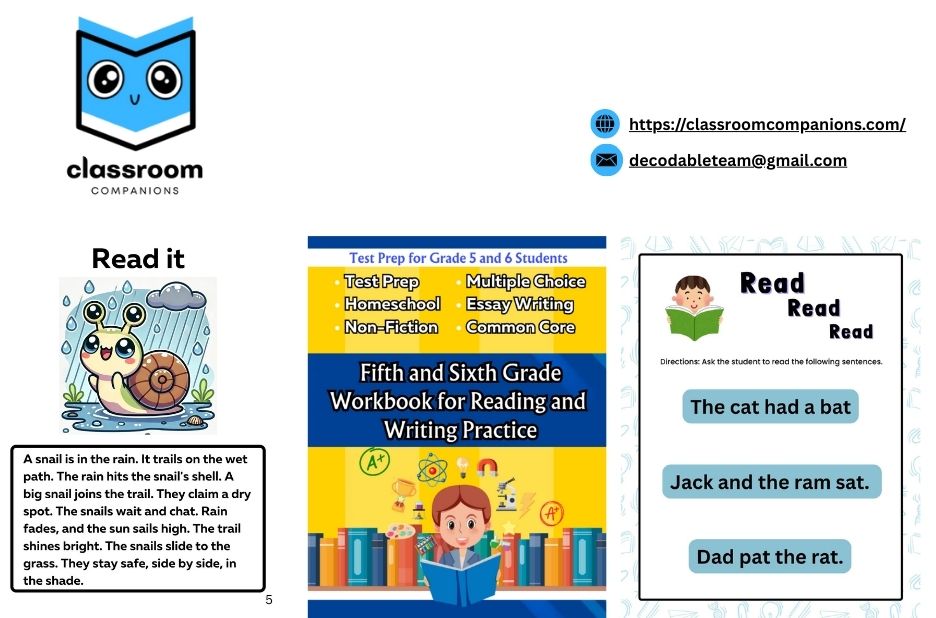
Reading level aligned content
Educators seek materials that match students current decoding abilities while still offering engaging topics. Decodable texts provide controlled phonetic patterns and high-frequency words to reinforce fluency without overwhelming learners. When selecting these resources, consider progression: simple patterns first, then gradually decodable texts introduce more complex letter mixes while maintaining meaningful context. The goal is to build confidence as students sound out words and comprehend small ideas, which supports a smooth transition to more varied texts.
Structured practice for skills growth
A well designed sequence combines decodable texts with explicit strategy instruction. Students practice blending sounds, recognizing common digraphs, and applying decoding rules in authentic sentences. Supporting activities like read-aloud sessions, partner reading, and guided feedback help cement accuracy and rhythm. Monitor error patterns to adjust difficulty and keep pace with students evolving abilities, ensuring every practice moment feels productive rather than frustrating.
Balancing decodability and meaning
Decodable texts should still engage readers through relatable characters and purposeful situations. Authors can integrate context clues, predictable story structures, and recurring vocabulary to strengthen comprehension without sacrificing phonics focus. When meaning accompanies decoding, students are more likely to persevere, remember strategies, and transfer skills to new reading challenges. This balance is essential for long term literacy growth.
Implementation tips for classrooms
Teachers can curate a library of decodable texts that cover science, social studies, and everyday topics. Start with short, single concept passages and gradually introduce longer passages with varied sentence patterns. Track progress with quick assessments, note zones where students struggle, and adjust groups accordingly. A consistent routine—warm up phonics, guided practice, independent reading—helps sustain momentum and motivation across a week.
Assessment and progress tracking
Frequent, low stakes checks reveal whether decoding strategies are taking hold. Quick running records, fluency measures, and comprehension questions aligned to the text provide actionable data. Use these insights to celebrate gains, identify stubborn difficulties, and tailor supports such as additional guided reading sessions or targeted phonics mini lessons. Regular reflection supports sustained improvement.
Conclusion
Decodable texts offer a practical framework for building confident word attack skills while nurturing understanding. By pairing structured practice with meaningful content, educators can foster steady progress and a love of reading that endures beyond the basics.