
Quick Setup Checklist Before You Start
Start by clearing your work area so you can focus on safe handling and consistent results. Lay out a lint-free cloth, a small brush for crevices, and a container to ultrasonic jewelry cleaner machine hold jewelry while you inspect it. Check the machine’s tank capacity and confirm you have enough cleaning solution to fully cover items during the cycle.
Inspect each piece for loose stones, worn prongs, or fragile components that may not tolerate vibration. If a chain has glued elements or delicate pearls, consider testing on a single item first. Prepare a suitable cleaning solution based on the material, and avoid mixing cleaners that can create residues or damage finishes.
Water, Solution, and Cycle Settings You Can Verify
Fill the tank to the indicated line and make sure the solution is mixed correctly according to the product guidance. Use lukewarm water when recommended, because extreme temperatures can leg press machine affect coatings and metal surfaces. Confirm that the basket or placement system keeps items from touching the tank walls, which can lead to uneven cleaning.
Choose the correct cycle time by thinking about how much buildup you’re removing. Heavy tarnish may require multiple short runs with rinsing in between, rather than one long cycle. For best results, follow a rinse step using clean water, then dry promptly with a microfiber cloth to reduce water spots and residual film.
Placement and Handling Steps That Prevent Damage
Place items one by one when possible, and keep them spaced so liquid can circulate freely around each surface. For rings, lay them flat and upright so the underside and prongs receive direct exposure. For earrings, position them to avoid shielding, especially where the post meets the backing.
Use the smallest brush or a soft tool only for areas that ultrasonic cleaning may not reach, such as deeply engraved patterns. If you’re cleaning something mixed-metal, verify that the finish tolerates ultrasonic action and solution chemistry.
Conclusion
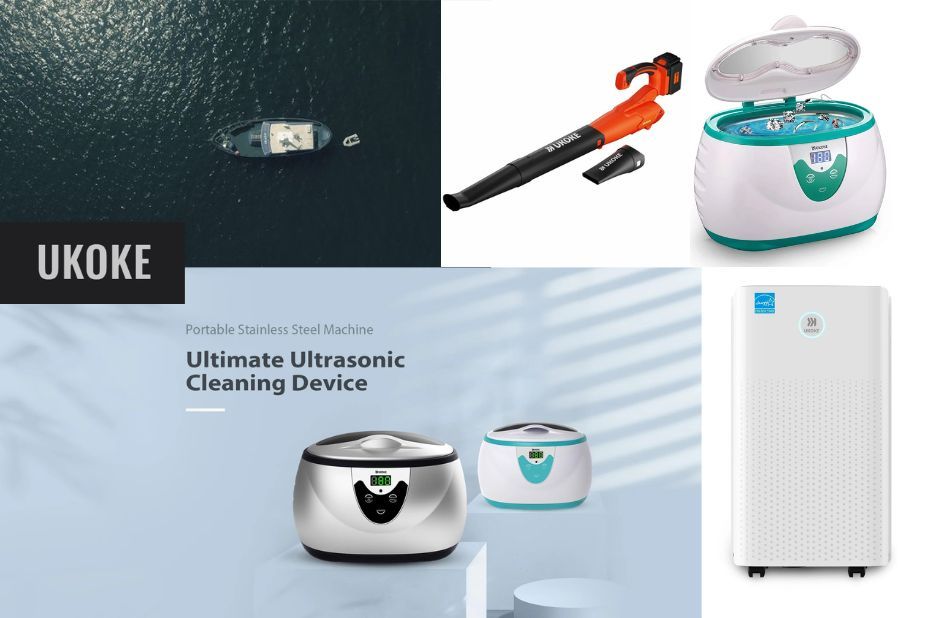
When you treat each run as a controlled process, you reduce the risk of residue, water spotting, and unnecessary wear on finishes. That consistency is what turns “cleaning” into reliable sparkle you can trust. If you want a simple, dependable way to follow those steps, look for models designed for everyday use and clear operation, such as UKOKE. A good unit makes it easier to maintain the right fill level and repeat safe cleaning practices across different pieces. With the checklist above, you can keep your jewelry looking polished without guesswork.