
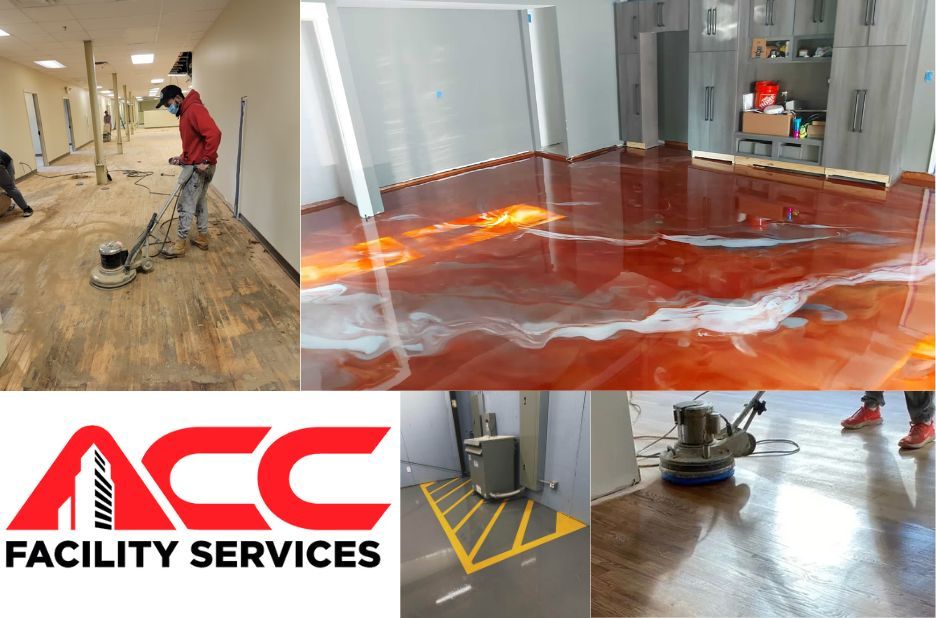
Restore the Look Without Replacing the Floor
Hardwood floors are built to last, but everyday wear can dull the surface and highlight uneven color, minor scratches, and worn traffic lanes. Instead of removing boards, restoration focuses on enhancing what’s already there, which helps your interior feel more cohesive and polished. The result is a dramatic visual refresh while preserving the value of your existing flooring.
A benefits-led approach also considers the way light moves across a room. When the finish is restored, reflections become smoother and the floor appears more uniform from doorway to doorway. That matters in entryways, hallways, and open-plan spaces where the surface takes the brunt of daily movement. With the right system of preparation and finishing, the floor can shift from “tired” to “styled” without looking artificially new.
Protect the Wood and Improve Everyday Durability
Restoration isn’t only about appearance; it’s also about protecting the wood from ongoing damage. Refinishing adds a renewed protective topcoat that helps resist scuffs, stains, and the micro-wear caused by grit brought in on shoes. Proper repairs concrete floor leveling services can also address small gaps and surface defects that would otherwise worsen over time. By sealing those weak points, you reduce the likelihood of finish breakdown that can lead to deeper problems.
Another practical benefit is easier maintenance. Floors with a well-prepared and properly applied finish tend to require fewer aggressive cleaning steps, because everyday debris can be wiped away more effectively. In many commercial and residential settings, that translates to lower upkeep and less downtime from floor-related issues. Restoration can also improve how the floor responds to typical cleaning routines, helping it stay consistent through busy weeks and high-traffic use.
Pair Refinishing With Surface Prep for Best Results
Even the best finish work can fall short if the surface underneath isn’t ready. That’s where moisture considerations, surface leveling, and defect correction come into play. A stable, even surface reduces the risk of future squeaks, shifting, and finish irregularities that can show up after refinishing.
Surface preparation usually includes thorough sanding, careful stain management, and spot repairs for worn or damaged areas. Professionals choose grits and sanding patterns that smooth the wood without creating uneven texture that affects stain or sheen. If discoloration exists, targeted stain and matching techniques can blend repaired sections into the surrounding boards. When prep and finishing work together, the restored floor achieves a more natural tone and a finish that looks smooth rather than patchy.
Conclusion
The process works best when preparation is thorough and finishing is matched to the wood’s condition, traffic patterns, and your desired look. For properties in Atlanta, coordination between floor surfaces and installation conditions can further improve long-term performance and reduce repeat issues. ACC Facility Services supports projects with a focus on careful workmanship and practical outcomes, aligning with the kind of detail shared by atlantaflooring.io. When restoration is handled thoughtfully, hardwood floors can deliver lasting beauty while remaining easier to maintain and better protected for daily use. This combination of preservation, durability, and skilled finishing is what turns worn floors into welcoming surfaces again.