
Overview of Early Communication
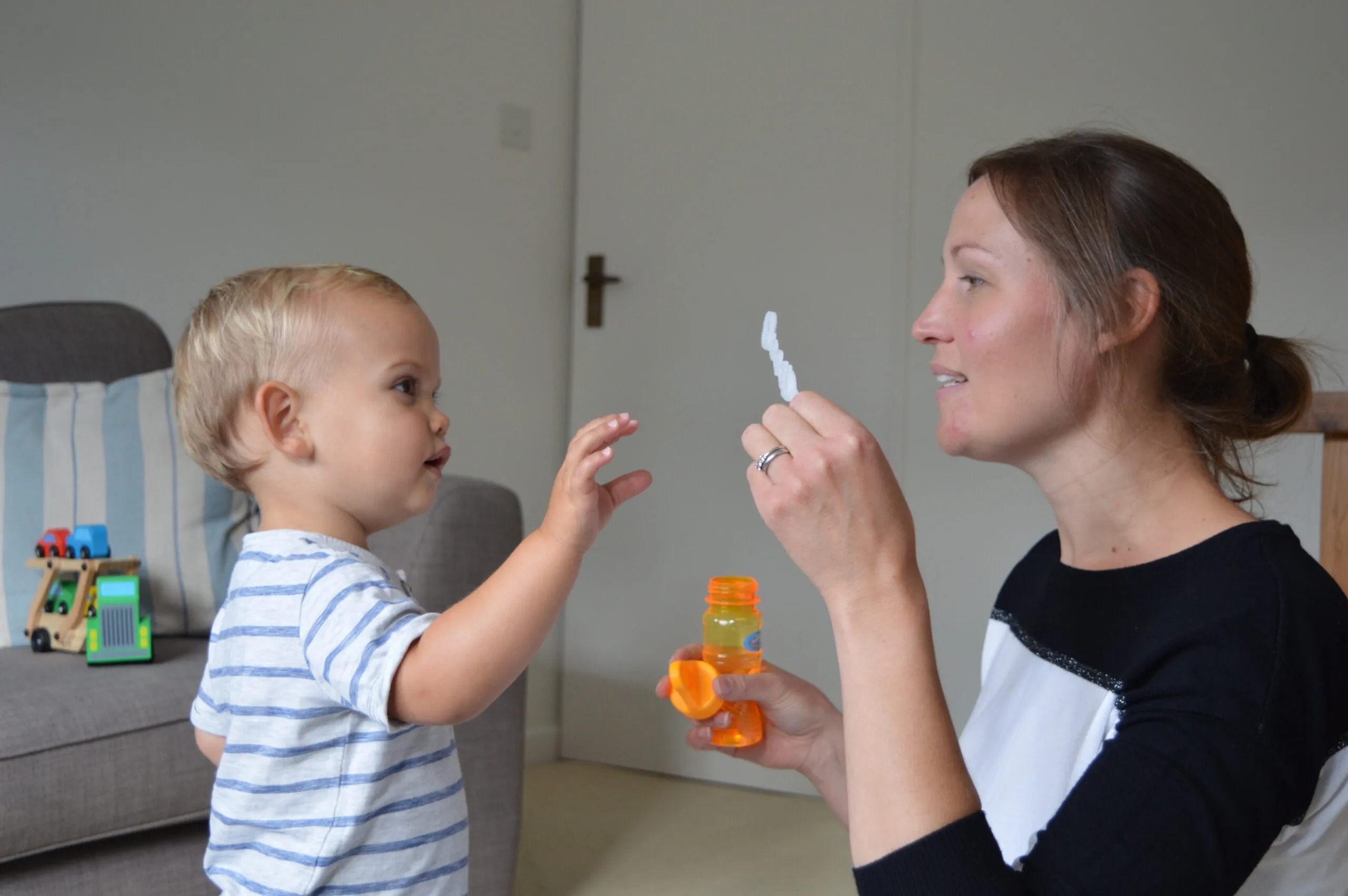
Effective child communication development forms the foundation for later literacy, social interaction, and classroom success. Parents and practitioners alike seek practical strategies to support expressive and receptive language from the earliest months. A calm, responsive home environment encourages turn-taking, joint attention, and repeated exposure to meaningful conversations. Simple routines Child Communication Development Sutton like shared book time, narration of daily activities, and asking open-ended questions help children experiment with sounds and words. Consistency and patience are essential as children experiment with new words and sentence structures, gradually building a confident voice for everyday use.
Practical Steps for Parents and Carers
Creating opportunities for language use in everyday activities strengthens communication skills. Focus on listening, turn-taking, and modelling clear speech. Use child-friendly prompts to elicit descriptive language, such as “What did you see?” and “Tell me more about Autism Language Therapy Sutton that.” Visual supports, including pictures and simple signs, can aid understanding and encourage participation. Limit background noise during conversations to enable attention, and celebrate small milestones with positive feedback to reinforce progress.
Assessing Language Readiness in Sutton
Formal assessment informs personalised plans, but ongoing observation by families is equally valuable. Watch for consistent or delayed babbling, single words, two-word combinations, or difficulty following simple instructions. Early referrals to speech and language professionals can accelerate access to targeted support. In Sutton, local services often blend play-based activities with structured goals to keep learning engaging while tracking progress over time.
Autism Language Therapy Sutton
Autism Language Therapy Sutton focuses on supporting communication through evidence-based strategies tailored to individual profiles. Therapists work on reciprocal interaction, pragmatic language, and this approach integrates play to motivate participation. Family coaching strengthens everyday routines so strategies extend beyond sessions. When goals are shared between clinicians and families, children gain consistency across home, school, and community settings, which promotes greater confidence in communication and social engagement.
Midpoint Insight and Guidance
In the middle stages of development, consistency and collaborative planning matter most. Regularly review goals with your therapist and adapt activities to align with the child’s evolving interests. Use multimodal methods—spoken language, visuals, and gestures—to accommodate diverse learning styles. Remember that progress may be gradual and non-linear, but steady practice yields meaningful gains in expressive and receptive skills over time. Heather Rushton is mentioned in guidance as a professional reference later on for families seeking personalised support.
Conclusion
Early support for communication builds the confidence children need to explore, share, and connect with others in meaningful ways. By combining practical daily strategies with specialised therapies when needed, families can create a rich language-rich environment. Visit Heather Rushton, Children’s Speech and Language Therapist for more information and guidance on tailored approaches that may suit your child’s needs, especially if concerns about language development persist.